Myth of the Uneducated Shudra

"For 5,000 years, the Shudras were systematically oppressed, kept entirely illiterate, and brutally denied any access to education under the rigid, monolithic tyranny of Brahmanical hegemony."
The restriction was one and specific: Vedic recitation, which required ritual initiation (upanayana). That's it. Everything else was open.
As Hindu Shastra declared;
Manusmriti (10.99–100): Dictates that Shudras should master and earn their livelihood through "various mechanical arts and handicrafts" (kārukakarmāṇi śilpāni vividhāni ca).
Vishnu Smriti (2.14): Explicitly states, "For the Shudra, all branches of art [and crafts] are ordained."
Valmiki Ramayana (1.1.100): When Sage Narada recites the initial summary of the epic to Valmiki, he states:
By reading this Ramayana, a Brahmana obtains excellency in speech, a Kshatriya obtains land-lordship, a Vaisya attains profit in trade, and even a Shudra attains excellence.
Devi Bhagavatam (1.3.18–24): Explicitly states that the 18 Puranas were written by Sage Vyasa to ensure that women, Shudras, and the general public had unhindered, direct access to the highest spiritual truth and liberation (Mukti).
The Varṇa system didn't deny education. It specialised it. Vedas were one stream — art, craft, literature, and engineering were others. Shudras mastered theirs as mentioned in Shastra.
Detailed Investigation
The modern political narrative that claims a "5,000-year total ban on education" is a complete historical distortion. It conflates a specific restriction on one highly specialized type of religious schooling with a total ban on all human knowledge.
Kazi Nazrul Islam(early Marxist poet) in his socialist-leaning essay “Langol”, he wrote something that surprises many readers today:
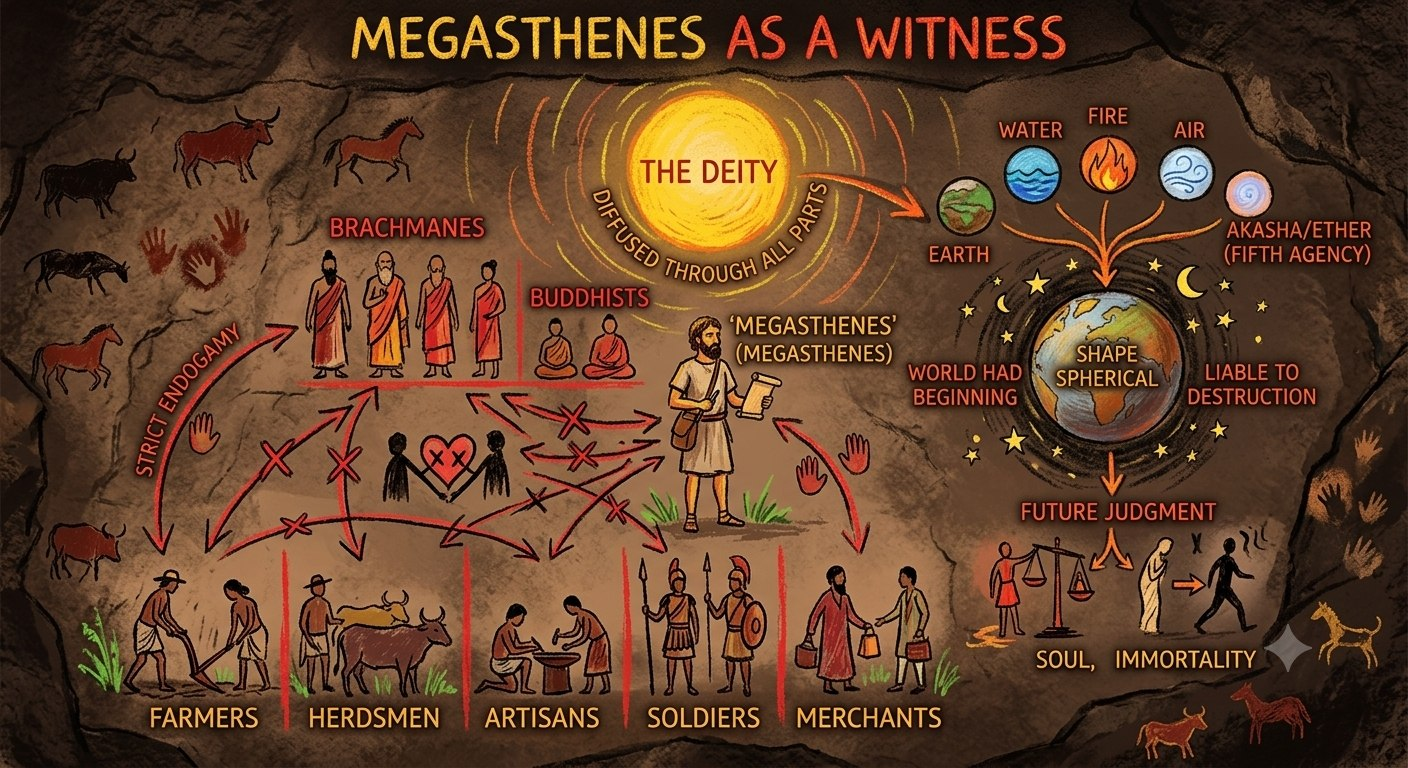
The Hindu caste division was established upon a scientific system. The root of this system was the progressive development of society by avoiding competition and following the principle of division of labor through hereditary practice.
The ancient Varna system operated as an ecosystem of hyper-specialized education. No one from top to bottom was denied an education; rather, each Varna had its own rigorous academy system tailored to its specific social and professional role.
Even in medieval Sanskrit literary culture, Shudra intellectual contribution was real. Subharāja, a 15th-century poet, authored Pāṇḍavavijaya and Rūpamañjaripariṇaya — demonstrating active Shudra participation in high Sanskrit and Nepali literary tradition.
On the ground, the evidence is architectural and material: the temples of Khajuraho and Konark, wootz steel, paṭa-chitrā, chau dance, sword-craft — all products of Shudra communities carrying centuries of transmitted technical knowledge.
Sources & References
Manusmriti, Vishnu Smriti, Valmiki Ramayana, Devi Bhagavatam

Saptarshi Pahari
280M.Sc. Physics student focused on Electronics | Independent researcher in structural philosophy & traditional history | Essayist & author of The Anatomy of Social Friction. Saptarshi Pahari is a traditionalist writer and analyst dedicated to the defense of orthodox Hindu theology


Comments & Discussion 11