The Cosmic Architecture of Wahiguru: A Nanakpanthi Synthesis

The term Wahiguru is the highest meditative mantra in Sindhi Hindu Nanakpanthi Sikh tradition as it directly points to, and reveals Supreme, Timeless...
The term Wahiguru is the highest meditative mantra in Sindhi Hindu Nanakpanthi Sikh tradition as it directly points to, and reveals Supreme, Timeless Reality (Akala Purusha). However it's deep esoteric nuances and hidden meaning is seldomly discussed in mainstream discourses.
We look towards Bhai Gurdas Ji to see from where it gets its foundation. He was one of its foremost scholars and the scribe who wrote down a most important version, so his writings reflect an early Nanakpanthi perspective which is quite distinct from the rigid institutional boundaries of Modern Sikhism later drawn during the 1890s Singh Sabha movement.

In the 1st Vaar (Stanza 49), Bhai Gurdas Ji explains that Wahiguru is not a sudden, radical innovation, but a deliberate convergence of the four names of Bhagavan Narayana across the four Yugas (Ages).
The Four Ages, The Four Syllables
The mantra was broken down by Bhai Gurdas Ji syllable by syllable based on the divine yuga cycle of time :
| ਪਉੜੀ ੪੯ : ਵਾਹਿਗੁਰੂ ਮੰਤ੍ਰ | पउड़ी ४९ : वाहिगुरू मंत्र | Wahiguru Mantra |
| ਸਤਿਜੁਗਿ ਸਤਿਗੁਰ ਵਾਸਦੇਵ ਵਵਾ ਵਿਸਨਾ ਨਾਮੁ ਜਪਾਵੈ। | सतिजुगि सतिगुर वासदेव ववा विसना नामु जपावै। | During Satyayuga the True Guru had manifested as Vasudeva , hence the letter V (व) and it inspires to remember Bhagavan Vishnu's name. |
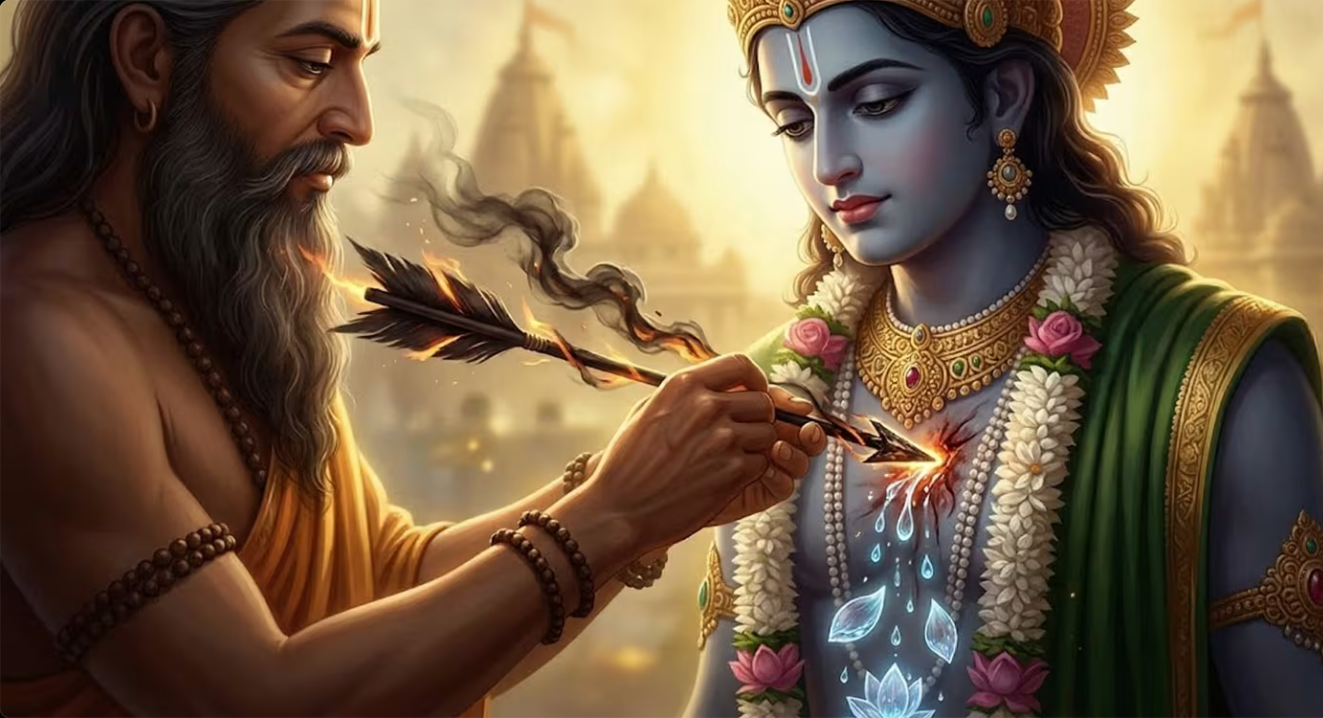
| ਦੁਆਪਰਿ ਸਤਿਗੁਰ ਹਰੀਕ੍ਰਿਸ਼ਨ ਹਾਹਾ ਹਰਿ ਹਰਿ ਨਾਮੁ ਜਪਾਵੈ। | दुआपरि सतिगुर हरीकृशन हाहा हरि हरि नामु जपावै। | In the current Dvapara Yuga, Hari Krishna is the True Guru; hence the letter 'H' (ह) and it reminds us to remember Bhagavan Hari's name. |
| ਤੇਤੇ ਸਤਿਗੁਰ ਰਾਮ ਜੀ ਰਾਰਾ ਰਾਮ ਜਪੇ ਸੁਖੁ ਪਾਵੈ। | तेते सतिगुर राम जी रारा राम जपे सुखु पावै। | In Treta Yuga , the True Guru appeared as Bhagavan Rama; by meditating on the letter 'R' (र) and chanting Rama, people obtained peace and bliss. |
| ਕਲਿਜੁਗਿ ਨਾਨਕ ਗੁਰ ਗੋਬਿੰਦ ਗਗਾ ਗੋਬਿੰਦ ਨਾਮੁ ਅਲਾਵੈ। | कलिजुगि नानक गुर गोबिंद गगा गोबिंद नामु अलावै। | In Kali Yuga, Govinda is in the form of Guru Nanak; the letter 'G' (ग) of Wahiguru gets the name of Govinda recited. |
| ਚਾਰੇ ਜਾਗੇ ਚਹੁ ਜੁਗੀ ਪੰਚਾਇਣ ਵਿਚਿ ਜਾਇ ਸਮਾਵੈ। | चारे जागे चहु जुगी पंचाइण विचि जाइ समावै। | The recitations of all the four ages subsume into Panchayan. |
| ਚਾਰੋ ਅਛਰ ਇਕੁ ਕਰਿ ਵਾਹਗੁਰੂ ਜਪੁ ਮੰਤ੍ਰੁ ਜਪਾਵੈ। | चारो अछर इकु करि वाहगुरू जपु मंत्रु जपावै। | When joining these four letters, the Wahiguru mantra is formed and remembered. |
| ਜਹਾ ਤੇ ਉਪਜਿਆ ਫਿਰਿ ਤਹਾ ਸਮਾਵੈ ॥੪੯॥੧॥ | जहा ते उपजिआ फिरि तहा समावै ॥४९॥१॥ | The Jiva (individual soul) merges again into its origin. ||49||1|| |
Conclusion
This exposition highlights the fluid, non-sectarian nature of early Nanakpanthi thought, which did not break away from the traditional Sanatana temporal framework but integrated it. Chanting the mantra becomes a practice of recalling the entire span of cosmic history in a single word.

Sachit Varshney
120Advaita Vedantin with a passion for non-dual philosophy, exploring Hindu thought beyond Hindutva, orthodoxy, reformism, or Ambedkarite frameworks. Enthusiast of Sikh and Buddhist texts, weaving insights across traditions with curiosity and depth.


Comments & Discussion 9