The "Exercise-Only" Reduction of Yog.
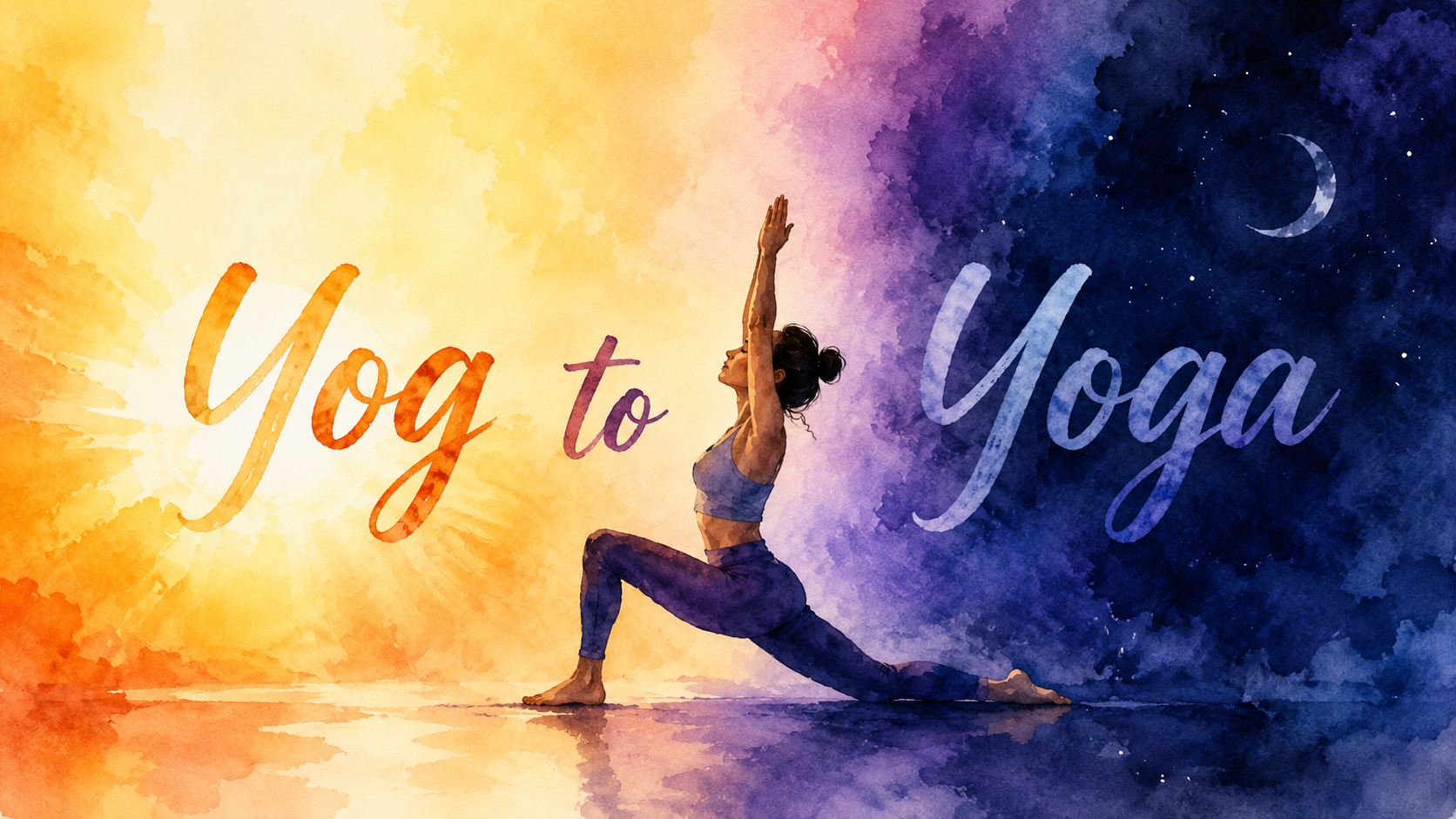
"Yoga is a physical fitness regime or a form of gymnastics that focuses solely on stretching, toning the body, and cardiovascular health."
Physical exercise is merely a small, modern subset of a vast, ancient system designed for spiritual, mental, and psychological liberation. The physical postures (asanas) were traditionally intended only as a preparation to steady the body for prolonged meditation, and their transition into a "fitness product" is a direct result of colonial-era cultural syncretism and modern consumerist ideology.
Detailed Investigation
The transformation of Yoga from a Sadhana (path to liberation) into a global fitness commodity reveals a significant ideological shift.
The Traditional Framework: In the Eight Limbs of Yoga (Ashtanga) defined by Patanjali, Asana (posture) is just one of eight pillars. The first two, Yama (ethical restraints) and Niyama (observances), emphasize non-violence, truthfulness, and self-discipline. The primary objective was never physical aesthetics, but the dissolution of the ego (Ahamkara) to achieve Moksha (liberation).
The Historical Catalyst: During the 19th and early 20th centuries, India was under British colonial rule. To survive and remain relevant, traditional practices were forced to adapt to the prevailing Western "physical culture" movement. Yoga masters began integrating European gymnastics, military drills, and bodybuilding techniques into traditional Hatha practices. This hybrid form focused on visible physical performance was significantly more "marketable" to Western audiences than the original, internal-focused philosophy.
The Modern Commodity: Once exported to the global market, Yoga was "de-spiritualized" to appeal to a secular, capitalistic consumer base. By stripping away the requirement for a Guru (mentor) and the focus on internal consciousness, Yoga was successfully integrated into the multi-billion-dollar wellness industry. In this modern context, the practice often shifts from a means of "union with the universal" to a tool for "ego-reinforcement" and lifestyle branding.
Ideological Divergence: This evolution demonstrates how a culture’s deepest philosophy can be repurposed to fit a different socio-economic system. While the traditional system prioritizes ethics and renunciation, the modern commercial system prioritizes accessibility, repeatability, and physical results.
Sources & References
Sources and References
1.Foundational Philosophy: The Yoga Sutras of Patanjali, the definitive text on the eight-limbed path.
2.Historical Origins: Yoga Body: The Origins of Modern Posture Practice by Mark Singleton. Documents the impact of 19th-century physical culture and colonial gymnasiums on modern Yog.
3.Cultural Context: The Subtle Body: The Story of Yoga in America by Stefanie Syman, explores the marketing and Americanization of yoga practices.
4.Traditional Interpretation: Light on Yoga by B.K.S. Iyengar, provides the perspective of how postures serve the spirit in traditional practice.

Saffron Files
422


Comments & Discussion 3