

Popular:
卐

Sacred Scriptures | Primary Scriptures

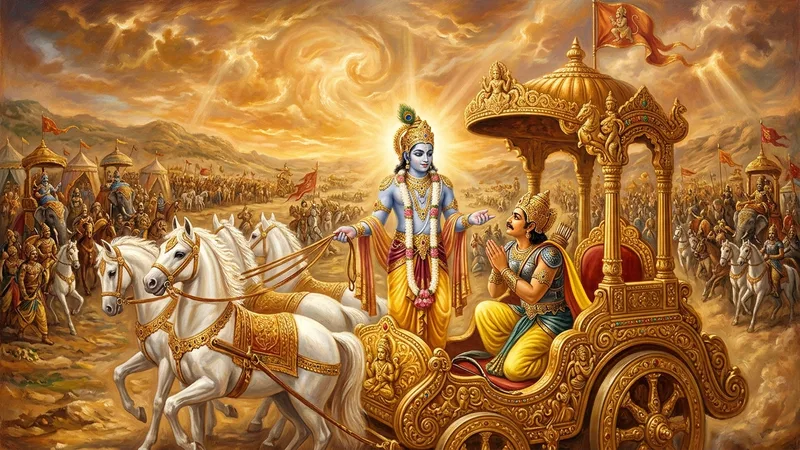
Bhagavad Gita
18 Chapters

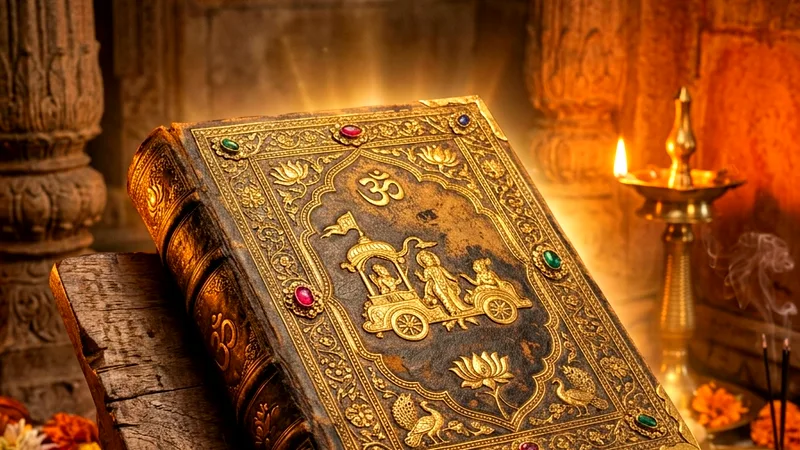
Bhagavad Gita (गीता)

700 sacred verses with Sanskrit, Hindi & English commentaries.

Read Gita →
Rigveda
10 Mandalas

Rigveda (ऋग्वेद)

1,028 Vedic Suktas & cosmic mantras.

Read Rigveda →
Samaveda
Chants

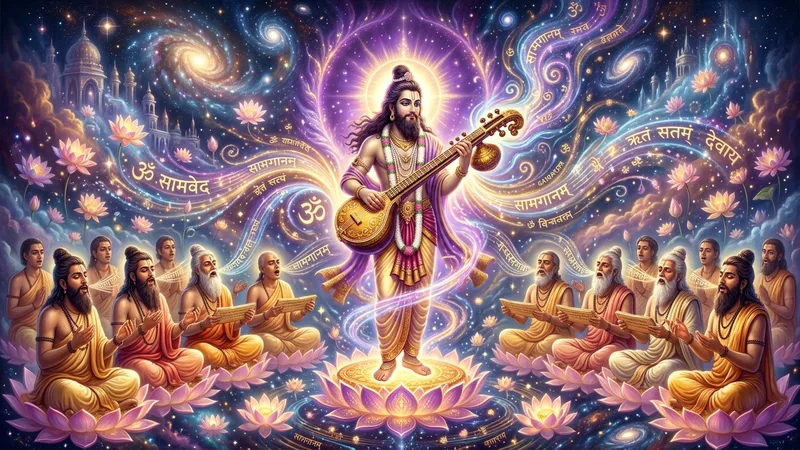
Samaveda (सामवेद)

The Veda of divine melodies & chanting.

Read Samaveda →
Yajurveda
40 Chapters

Yajurveda (यजुर्वेद)

Sacred mantras for righteous living & yajnas.

Read Yajurveda →
Atharvaveda
20 Kandas

Atharvaveda (अथर्ववेद)

Ancient formulas for wellness, herbs & life.

Read Atharvaveda →
Upanishads
11 Upanishads

Upanishads (उपनिषद्)

Vedanta teachings on Atman & Brahman.

Read Upanishads →
29 Chalisas 卐

Chalisa Sangrah

Chalisa Sangrah

हनुमान, शिव, दुर्गा, गणेश, शनि सहित 29 पावन चालीसा।

Read Chalisas →
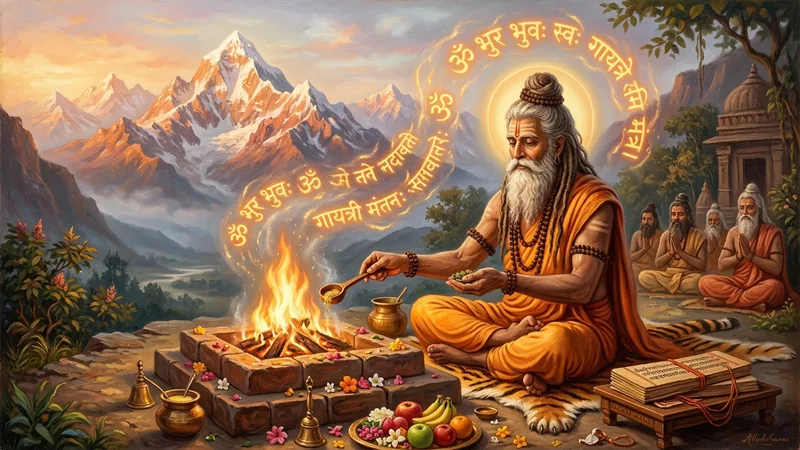
17 Mantras ॐ

Mantra Sadhana

Mantra Sangrah

गायत्री, महामृत्युंजय, गणेश, लक्ष्मी सहित 17 सिद्ध वैदिक मंत्र व जप काउंटर।

Chant Mantras →
HinduText Myths Debunked
Fact Check

Busted Myths

सनातन धर्म पर भ्रांतियों का शास्त्रों द्वारा प्रामाणिक खंडन।

Explore Myths →
Sanatan Shastrartha Q&A
शास्त्रार्थ Q&A

Q&A

वेद, उपनिषद और दर्शन पर आधारित शास्त्रार्थ एवं प्रश्नोत्तर।

Explore Q&A →
卐

Today's Hindu Knowledge | Daily Swadhyay

Wednesday, 28 October 2026
Sacred Mantra of the Day
Katha Upanishad (Kathopanishad)
Section 3, Verse 16

नाचिकेतमुपाख्यानं मृत्युप्रोक्तं सनातनम्। उक्त्वा श्रुत्वा च मेधावी ब्रह्मलोके महीयते॥ १६॥

नचिकेताद्वारा प्राप्त तथा मृत्युके कहे हुए इस सनातन विज्ञानको कह और सुनकर बुद्धिमान् पुरुष ब्रह्मलोकमें महिमान्वित होता है॥ १६॥

Gita Verse of the Day
Bhagavad Gita
Chapter 7, Verse 21

यो यो यां यां तनुं भक्तः श्रद्धयार्चितुमिच्छति | तस्य तस्याचलां श्रद्धां तामेव विदधाम्यहम् ||७-२१||

You have a right to perform your prescribed duties, but never to the fruits of actions.

Today's Question
5 Answers

Did ancient India really have advanced Vimanas/flying machines, or are modern claims an exaggeration of poetic texts?

Scholar Answer Preview:

To understand this objectively, we must strictly distinguish between genuine Vedic/Itihasa texts and 20th-century modern...

Today's Myth vs Fact
Fact Check

Dismantling the Linguistic Aryan Myth

Scriptural Truth:

Language is entirely irrelevant to Arya identity. The very text that coined the category "Aryan language" (ary...

Daily Vedic Principle & Living Sutra
Universal Welfare

"Sarve Bhavantu Sukhinah"

Source: Brihadaranyaka Upanishad

May all beings everywhere be happy and free from illness. May all see auspiciousness and none suffer grief.

Engage in daily study, propagate authentic Sanatan wisdom. Ask Question →
Raghavendra Kulkarni
2 months ago • Question in Dharma Shastra

Why did Rama send Sita to the forest according to Uttara Kanda? Is Uttara Kanda an authentic part of Valmiki Ramayana or a later interpolation?

Verified Answer by Mukesh Chandra Joshi

This is one of the most critical textual questions in Indology. Multiple linguistic and manuscript traditions show strong evidence that Uttara Kanda is a later interpolation (Prakshepa): 1. Internal Phalasruti of Yuddha Kanda: At the conclusion of the 6th book (Yuddha Kanda, Sarga 128), Maharshi Valmiki explicitly concludes the Ramayana with the traditional concluding verses (*Phalasruti*), stating that Rama ruled happily with Sita for thousands of years in Ayodhya. An epic never places its conclusion before an entire additional book unless that book was appended later. 2. Linguistic Style & Metrics: The vocabulary, meter, and style of Uttara Kanda differ noticeably from the pristine classical Anushtup meter of the earlier six Kandas. 3. Even within Uttara Kanda narrative: Rama as a constitutional King (*Raja Dharma*) was bound by the public scrutiny of his citizens. Rama himself was entirely convinced of Sita's purity and never remarried, keeping a golden murti of Sita by his side for the Ashvamedha Yajna. Thus, viewing Rama through a modern individualistic lens ignores both textual history and ancient constitutional Rajadharma.

View Full Answer & Discussion

卐
Daily Study • Sacred Mantra of the Day
Section 3, Verse 16
Katha Upanishad (Kathopanishad)

नाचिकेतमुपाख्यानं मृत्युप्रोक्तं सनातनम्। उक्त्वा श्रुत्वा च मेधावी ब्रह्मलोके महीयते॥ १६॥

नचिकेताद्वारा प्राप्त तथा मृत्युके कहे हुए इस सनातन विज्ञानको कह और सुनकर बुद्धिमान् पुरुष ब्रह्मलोकमें महिमान्वित होता है॥ १६॥

Pooja Rajvanshi
2 months ago • Question in Indian History

क्या महाभारत का युद्ध वास्तव में हुआ था या यह केवल एक रूपक (Mythology) है? पुरातात्विक व खगोलीय साक्ष्य क्या कहते हैं?

Verified Answer by Mukesh Chandra Joshi

राघवेंद्र जी, पुरातात्विक (Archaeological), समुद्री (Marine Archaeology) और खगोलीय (Astronomical) तीनों स्तरों पर महाभारत के ऐतिहासिक होने के सशक्त प्रमाण हैं: १. समुद्र में जलमग्न द्वारका (ASI Undersea Excavations): महान पुरातत्ववेत्ता डॉ. एस. आर. राव (Dr. S. R. Rao) के नेतृत्व में Archaeological Survey of India (ASI) ने गुजरात के बेट द्वारका तट पर समुद्र के भीतर किले की प्राचीरें, 500+ मीटर लंबी दीवारें, लंगर (Stone Anchors) और मोहरें खोजीं, जो महाभारत कालीन विवरणों से हूबहू मेल खाती हैं। २. खगोलीय स्थितियां (Astronomical Software Dating): महर्षि वेदव्यास ने महाभारत में ग्रहों, नक्षत्रों और ग्रहणों की सटीक 140+ खगोलीय स्थितियां दर्ज की हैं (जैसे युद्ध के आरंभ में शनि का रोहिणी में होना, चंद्र-सूर्य ग्रहण की त्रयोदशी युति)। आधुनिक प्लेनेटेरियम सॉफ्टवेयर (Planetarium Gold / Stellarium) से जब इन ग्रहों की गणना की गई, तो यह सटीक रूप से लगभग 3100 ईसा पूर्व (BCE) की तिथि दर्शाती है। ३. पीजीडब्ल्यू (Painted Grey Ware) संस्कृति: प्रो. बी. बी. लाल द्वारा हस्तिनापुर, कुरुक्षेत्र, अहिच्छत्र, तिलपत (तिलप्रस्थ), इंद्रप्रस्थ और बरनावा (वारणावत) में की गई खुदाई में एक ही कालखंड की सभ्यता की परतें मिली हैं। अतः महाभारत कोई काल्पनिक उपन्यास नहीं, बल्कि भारत का वास्तविक, गौरवशाली और प्रामाणिक इतिहास है।

View Full Answer & Discussion
ॐ
Gita Wisdom • Gita Verse of the Day
Chapter 7, Verse 21
Bhagavad Gita

यो यो यां यां तनुं भक्तः श्रद्धयार्चितुमिच्छति | तस्य तस्याचलां श्रद्धां तामेव विदधाम्यहम् ||७-२१||

You have a right to perform your prescribed duties, but never to the fruits of actions.

Divine teachings of Bhagavan Shri Krishna View Verse in Gita Chapter
HinduText
HinduText 卐 This is a Sanatani verified by HinduText.in owner 2 •
5 months ago • Fact Check

Do Hindus Worship 330 Million Gods?

Myth: Hinduism is a polytheistic religion with 33 crore (330 million) different gods, leading to confusion and lack of a central deity. | Reality: The term '33 Koti' in Sanskrit often translated as '33 Crore' actually refers to '33 Types' or '33 Supreme Qualities'. Hinduism is essential...

Do Hindus Worship 330 Million Gods?
Raghavendra Kulkarni
2 months ago • Question in Hindu Philosophy

भगवान शिव के वक्षस्थल (छाती) पर माँ काली का पैर क्यों है? इसका वास्तविक दार्शनिक और तांत्रिक रहस्य क्या है?

Verified Answer by Dr. Anuradha Sharma

पूजा जी, माँ काली का भगवान शिव की छाती पर खड़ा होना सनातन दर्शन में 'चेतना और शक्ति' (Consciousness & Dynamic Energy) का सर्वोच्च दार्शनिक प्रतीक है। १. शिव शव-समान हैं शक्ति के बिना (शिवः शक्त्या युक्तो यदि भवति शक्तः): आदि शंकराचार्य जी ने सौन्दर्यलहरी के प्रथम श्लोक में लिखा है कि बिना पराशक्ति के भगवान शिव भी स्पंदन नहीं कर सकते। शिव 'शांत चैतन्य' (Pure Static Consciousness / Purusha) हैं, और माँ काली 'गतिशील ब्रह्मांडीय ऊर्जा' (Dynamic Kinetic Energy / Prakriti) हैं। जब तक ऊर्जा आधारहीन है, वह विध्वंसक हो सकती है; किन्तु जैसे ही वह शिव (परम बोध) को स्पर्श करती है, वह शांत हो जाती है। २. जीभ बाहर निकलना (लज्जा नहीं, त्रिगुण नियंत्रण): तांत्रिक प्रतीकवाद में माँ काली की लाल जीभ 'रजोगुण' का प्रतीक है, जिसे श्वेत दांतों (सत्त्वगुण) से दबाया गया है। यह दर्शाता है कि ज्ञानी साधक को सत्त्व से रजोगुण पर विजय प्राप्त करनी चाहिए। ३. मुंडमाला और खड्ग: ५० नरमुंडों की माला संस्कृत वर्णमाला के ५० अक्षरों (मातृकाओं/नाद) का प्रतीक है। खड्ग 'अज्ञान के उच्छेदन' और अभय मुद्रा 'भयमुक्ति' का प्रतीक है।

View Full Answer & Discussion
🛡️
Busted Myths • Today's Myth vs Fact
Fact-Checked with Scriptures
Fact Check

Dismantling the Linguistic Aryan Myth

Scripture-Proven Reality:

Language is entirely irrelevant to Arya identity. The very text that coined the category "Aryan language" (ary...

Backed by authentic Vedic evidence Read Detailed Evidence & Context
Saptarshi Pahari
4 months ago • Fact Check

Myth of the Uneducated Shudra

Myth: For 5,000 years, the Shudras were systematically oppressed, kept entirely illiterate, and brutally denied any access to education under the rigid, monolithic tyranny of Brahmanical hegemony. | Reality: The restriction was one and specific: Vedic recitation, which required ritual initiation (upanayana). That's it. Everything else was open. A...

Myth of the Uneducated Shudra
Vijay Kumar
2 months ago • Question in Philosophy

हिंदू धर्म में इतने देवी-देवता क्यों हैं?

Verified Answer by Pt. Shailesh Upadhyay

ऋग्वेद (१.१६४.४६) का शाश्वत महावाक्य है: 'एकं सद्विप्रा बहुधा वदन्ति' — सत्य (ईश्वर) एक ही है, ज्ञानी जन उसे अनेक नामों और रूपों में पुकारते हैं। जैसे एक ही जल को विभिन्न भाषाओं में पानी, Water, नीर कहा जाता है, वैसे ही परब्रह्म के विभिन्न कार्य और रूप हैं।

View Full Answer & Discussion
卐 HinduText AI